

“Civil defense” is a phrase from official orders, instructions, and presentations. It’s often perceived as something purely governmental, formal, and barely real. But the war has crossed out these templates. Today it’s no longer just a term. It’s a practice of daily survival.
When the city loses electricity and communications — civil defense is working. When a school brings children to shelter minutes after an air raid siren — this is civil defense. When there’s someone in the community who knows where the first aid kit is, where the generator is, and who should evacuate whom — these aren’t just “conscious people.” These are elements of a living system of population protection.
We’re used to imagining defense as something that should come “from above.” But real defense begins from below. And it’s important to understand: civil defense isn’t an alternative to the army, but its rear support. Not a substitute for the state, but its extension at the community, school, and business level.
Let’s understand what civil defense is in real life, without fancy words. Where it begins. Who forms it. And why it concerns not just emergency situations, but each of us — every day.
Civil defense is a system. But the most important thing in it is people
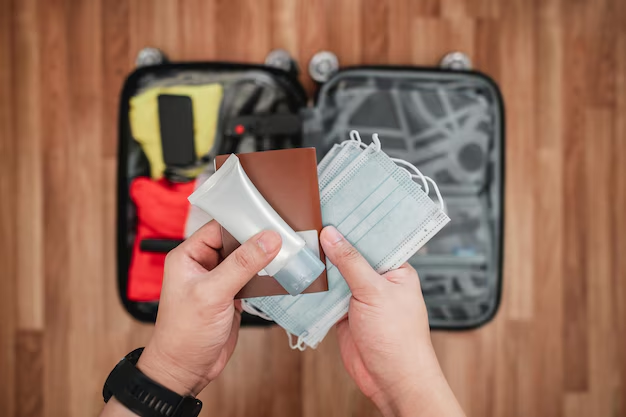
Formally, civil defense is a set of measures that help minimize the consequences of emergencies, preserve life, and ensure order of actions in times of crisis. Informally — it’s when a school has an evacuation plan and every child knows where to run. When a community has volunteers who can collect first aid kits, warm clothes, or evacuate bedridden people. When businesses prepare backup power sources and have a “Plan B” if communications are lost.
Civil defense isn’t just the state, it’s communities, schools, private initiatives taking on part of the responsibility.
What communities do — works
Communities play a key role. They are the first to respond to shelling, organize shelters, create warming centers, evacuation hubs. Many territorial communities have already established civil defense headquarters, mobile response groups, educational initiatives for children and parents.
And importantly — it doesn’t require millions. It requires coordination, a clear plan, healthy leadership, and support from residents.
Schools: without unnecessary fear, but with readiness
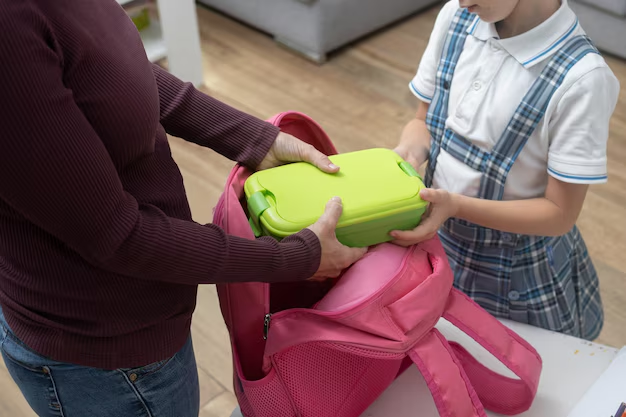
Civil defense at school isn’t about panic. It’s about the habit of action. About a clear understanding of alarm signals, routes to shelter, the ability to stay calm. Already today, many educational institutions conduct:
- first aid training,
- information hours on safety,
- integrated lessons about protection in emergency situations.
This is the basis that forms in children not just knowledge, but a reflex — not to get lost.
Business: those who prepared — continue to operate
Companies that had civil defense plans proved more resilient. Those who thought about backup offices, autonomous power, communications, secure data storage, resumed work faster after strikes. And they were also able to become partners for communities, help the Armed Forces, support evacuees.
Civil defense in business isn’t an expense, but adaptability and value.
It’s not just about us. It’s also about supporting the Armed Forces of Ukraine
Civil defense is the rear that must work reliably. When we create conditions where:
- people know where to go during an alarm,
- there are shelters, first aid kits, communications,
- there’s a plan for “what to do if…” — the Armed Forces of Ukraine can focus on the front lines.
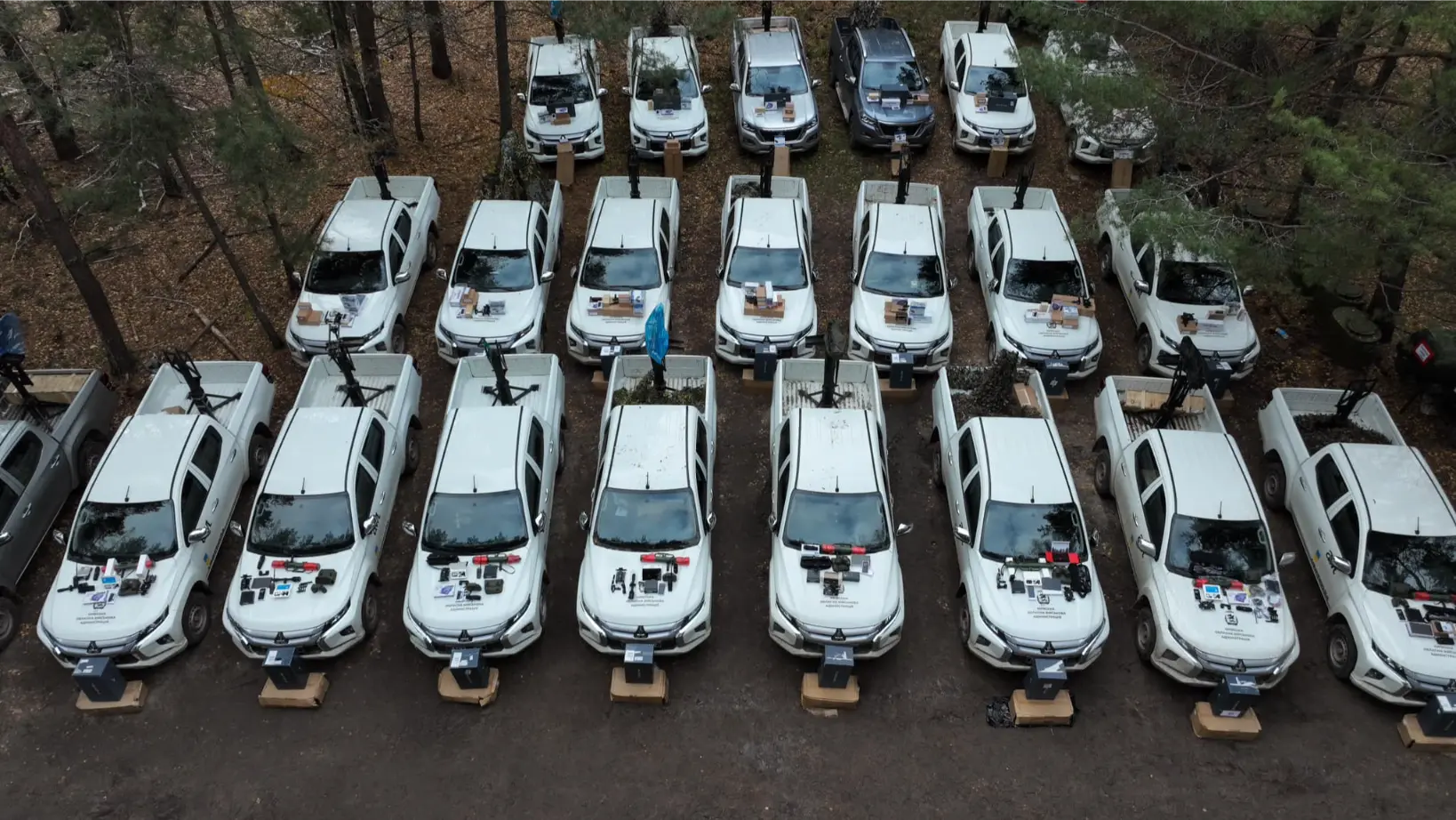
Supporting the army isn’t just donations or body armor. It’s also an organized society that holds even under external threat.
Civil defense isn’t the state’s obligation. It’s a sign of a mature society
Civil defense isn’t about documents. And not about a “checklist in case of X.” It’s more about the ability of a person, collective, community to remain organized in a state of threat. In a country where war has become the background of life, it’s no longer an abstraction. It’s a skill that literally saves lives.
Every headquarters that works during shelling. Every school where children are taught to stay calm. Every business that thinks not only about profit but also about how not to stop in the darkness. All this is civil defense. And it holds the country no less than armored vehicles.
We didn’t choose to live in war. But we can choose not to be helpless. And this is where real security begins. Not from an order. But from responsibility. Not from “someone should do it.” But from “I know how to act.”
Civil defense is when people don’t just survive. They know how to do it together.