
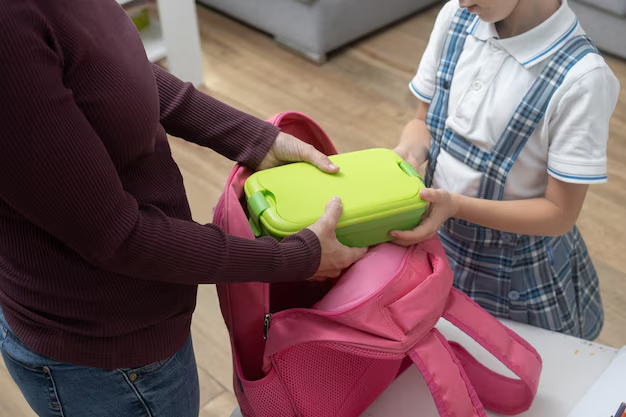
In 2026, it helps to have a simple plan for days that don’t go as expected. For a child, that plan can be a small set of items inside a regular school backpack—things that support them on the way to school, during delays, in places with weak phone signal, or when they need to stay calm without an adult nearby. This kind of emergency pack doesn’t require a separate bag. It fits into a normal school backpack and keeps the weight reasonable.
Why a student may need an emergency pack in 2026
A school day includes many small transitions: walking routes, public transport, breaks, after-school activities, waiting for pick-up. Sometimes these moments take longer than planned. A child may feel cold, get thirsty, run out of battery, lose connection, or need a quick way to get attention. A compact set of essentials supports child safety in exactly these situations, when basic independence matters.
The main principle is simple: the kit should be light, clear, and usable. The child should know what each item is for and how to use it.
Three rules for packing without extra weight
First, keep it light. A school backpack already carries books and supplies, so emergency items must stay compact. A few high-value items are usually enough.
Second, make the essentials easy to reach. Items like the contact note, flashlight, and whistle work best when they sit in a separate pocket or a small pouch.
Third, keep everything simple. If an item requires complicated instructions, consider replacing it with something easier.
What to pack in a child’s emergency school backpack
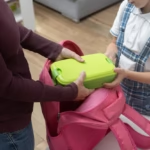
- Start with water and a snack. A water bottle and a small bar or cookie cover the most common need during delays. Choose snacks that don’t crumble, store well, and are easy to eat without extra tools.
- Next, add contact information. A small note from parents in a clear sleeve or a card in an inner pocket works well. Include parents’ names, two phone numbers, the home address, and any important medical details if needed. This helps the child and also supports adults who may assist.
- Add light and a simple signal option. A small flashlight helps in dark stairwells, hallways, shelters, and evening routes. A whistle can attract attention when the child needs help and speaking loudly isn’t effective. These items should be compact and straightforward.
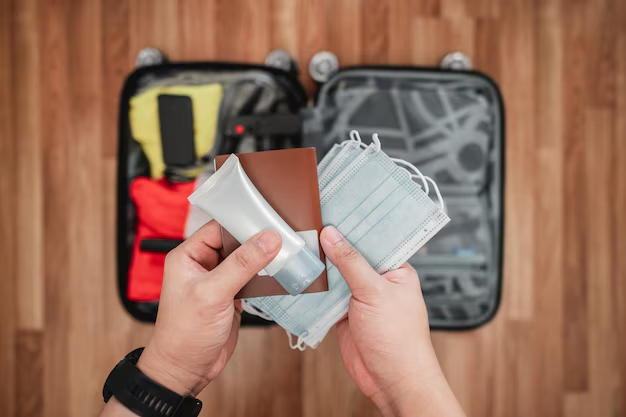
- Include basic hygiene. Wipes and a small hand sanitizer are useful at school, on transport, and anywhere water isn’t available. They support comfort and routine.
- Plan for weather and warmth. A lightweight rain poncho is practical. In cooler seasons, spare socks or thin gloves can help, depending on what fits your child’s needs. Seasonal updates matter here.
- Charging and communication depend on age and family rules. If the child carries a phone, a charging cable can help. In some cases, a small power bank is useful too. The key point is that the child should know how to use it and treat battery life responsibly.
How to explain this kit to your child
Keep the explanation short and calm. Show where the contact note is stored, when to use it, and who to ask for help. Practice a simple phone script: name, location, what happened, and who to call.
Show how the flashlight works and agree on when the whistle is used. For younger children, repeating this a few times helps it become a habit. For older students, a simple rule about keeping the phone charged before leaving home supports real-life preparedness.
A quick check before leaving for school
Before heading out, it’s enough to confirm that:
- water and a snack are packed,
- the contact note is in place,
- and the flashlight works.
That small check covers the basics.
Student safety grows from simple habits
A child’s emergency school pack follows a clear logic: water and a snack, contact information, light, a signal option, basic hygiene, and one seasonal item for weather. You can put it together in one evening, then check it once a month—flashlight battery, contact note, and seasonal items. This keeps the school backpack practical and supports child safety in everyday life.